
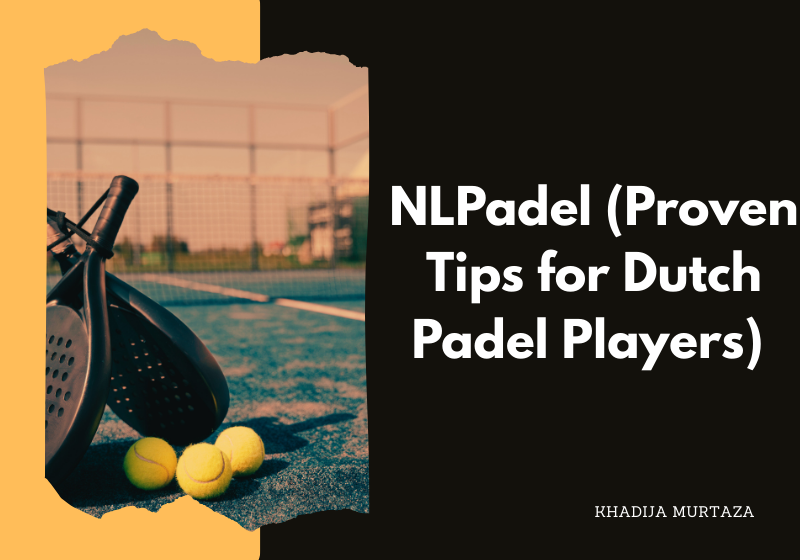
NLPadel is a dedicated platform for padel enthusiasts in the Netherlands, connecting players through tournaments and training programs at every level.
What is NLPadel?
NLPadel is the leading platform connecting padel enthusiasts across the Netherlands, offering access to courts, coaching, and tournaments for players.
This ecosystem helps beginners and advanced members improve skills while building a vibrant community through competitive yet social experiences.
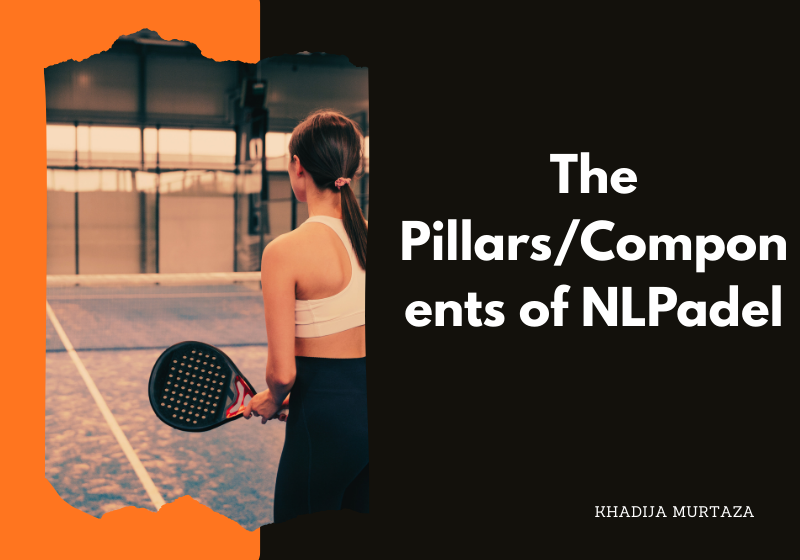
The Pillars/Components of NLPadel
NLPadel connects players through structured coaching, professional tournaments, and world-class infrastructure across clubs in Amsterdam, Rotterdam, and Utrecht.
Certified coaches provide training while the platform builds community through doubles play.
NLP Techniques for Padel Athletes
Professional coaches use mental training techniques to improve players’ decision-making, focus, and confidence during competitive tournaments across Netherlands clubs.
Athletes master positioning through visualization programs, enhancing performance while building team communication skills for better court control.
Read More: Nomurano (Proven Tips You Need to Know Today)
The Genesis of NLPadel: A Convergence of Innovation
The Netherlands witnessed something unprecedented when urban spaces began hosting cage-like structures where glass walls created an intimate environment for a sport that blends tactical precision with instant accessibility. While traditional tennis demanded years of training and squash required technical mastery, this fusion arrived as a fresh challenge that encourages hand-eye coordination through quick rallies where the ball ricocheting off surfaces adds unique energy to every match.
What made this convergence genuinely revolutionary wasn’t just court design or gear specifications—it was how developers recognized that Dutch lifestyle values efficient solutions where four players could transform lunch breaks into full-body workout sessions that promote cardiovascular health while building real camaraderie, effectively becoming an alternative to monotonous treadmill sessions that many found boring and lonely.
Key Technologies & Tools
NLPadel leverages advanced booking systems and apps that streamline court reservation processes, while Instagram and TikTok amplify community engagement through video content showcasing rallies and player celebrations. Digital-first integration ensures seamless access to padel-specific features where players rate courts, coordinate teams, and participate in amateur leagues across the Netherlands.
The platform incorporates sponsorship frameworks connecting brands with local clubs, supported by media coverage that raises awareness among the general public. Investment from both public and private sectors funds infrastructure expansion, while developers integrate court access into housing projects and real estate offerings as lifestyle upgrades, transforming how the Dutch sporting landscape operates.
Case Studies & Success Stories
Rotterdam witnessed something unusual when a group of seniors transformed their weekday routine entirely. What started as curiosity about the glass walls and ricocheting sounds became a regular social plan that shifted how families approached fitness. The inclusive nature of padel meant grandparents, parents, and teenagers could compete without the intimidation of traditional sports. Booking courts for Friday evening games became their lifestyle choice, where friends would communicate, joke, and cheer through energetic rallies. The investment in professional coaching paid off when their team started participating in local tournaments, proving that age wasn’t a barrier to skill development. Urban clubs in Amsterdam noticed how young professionals and older generations were connecting through structured training, with coaches reporting unprecedented consistency in membership. Private sessions helped advanced players refine techniques while introductory lessons gave beginners the confidence to enjoy the game from their first match. What made these case studies remarkable was how padel became more than exercise—it was about social bonding, mental well-being, and creating accessible entry points into sport that felt natural rather than forced.
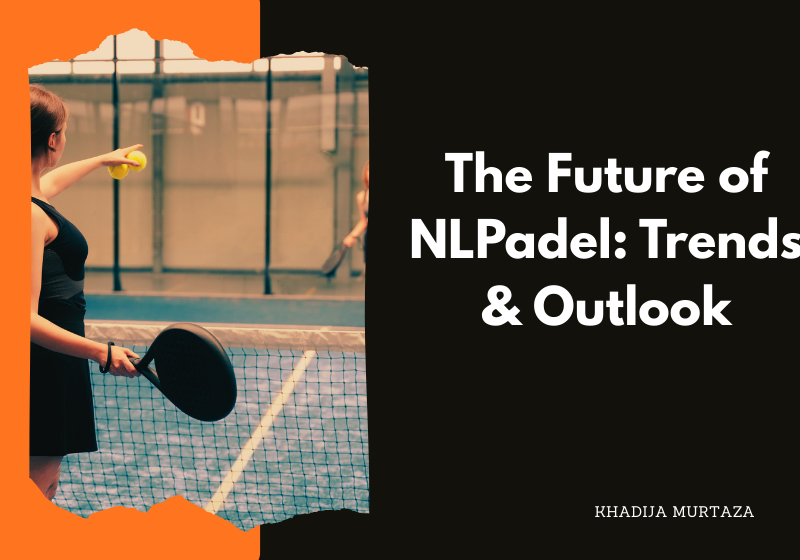
The Future of NLPadel: Trends & Outlook
From my time on cage-like courts in Rotterdam, I’ve felt the urban rhythm shift as quick steps and bursts of laughter become the new norm. This isn’t a passing trend; it’s a major shift in how we connect and move, with the sound of the padel ball echoing a joyful new culture.
The surge from an unfamiliar concept to a growing passion speaks to a human need. NLPadel’s role in shaping this ecosystem ensures the sport’s integrated future isn’t just about planning games but fostering an accessible, uniting community nationwide where everyone can find their court.
Key Features of NLPadel
What makes NLPadel distinctly compelling isn’t just the sport itself, but how it fundamentally fits urban environments where space remains perpetually contested. Padel courts take up less room than traditional tennis courts, allowing investors and sports clubs to accommodate more people per square meter. This efficiency becomes the winning formula for urban planners orchestrating sports space in dense cities like Amsterdam and Utrecht. The walls create a unique geometry that slows the game, reducing physical demands while sharpening reflexes through constant directional shifts. Rather than requiring expensive equipment, players simply rent rackets at entry point, making the barrier extraordinarily low for anyone curious enough to show up.
The psychological dimension reveals why this sport sustains participation—hand-eye coordination improves naturally through gameplay rather than drills, while teamwork in doubles creates genuine accountability few solo gym sessions provide. From schools integrating padel sessions into physical education to offices booking court time as team-building activities, the sport dissolves the intimidation factor that keeps newcomers away from traditional sports. Instagram and TikTok amplify this accessibility narrative; watching sharp movements and celebrations on social feeds removes the mythology around athletic prowess. The multi-generational pull works because grandparents, parents, and kids can genuinely compete together without biological advantages determining outcomes, creating a rare modern dynamic where age becomes irrelevant to participation quality
Reimagining Participation Through Accessibility and Vision
Players of every fitness level—from beginners seeking fun to advanced athletes chasing competitive distinction—find genuine value within this sport’s multifaceted framework. The infrastructure expansion happening across cities like Amsterdam and Utrecht signals a mature market rather than hype-driven expansion. Moving forward, recommendations center on deepening youth participation through schools, expanding gear accessibility, and strengthening the mental health and cardiovascular benefits narrative. The momentum is grounded; sustainable development requires intentional awareness of how family, generational engagement, and consistent fitness integration create lasting cultural transformation beyond simple recreation.
Read More: The Blog About PocketMemoriesNet (Insider Secrets)
External Links & Sources
Discovering More About Padel’s Growth
You’ll find that fastest-growing sports documentation often highlights how padel entered the Netherlands through platforms that connected community members seeking resources. The Royal Dutch Lawn Tennis Association maintains comprehensive platforms where approximately 90,000 officially registered players can access opportunities for growth, while casual players numbering around 500,000 continue discovering the sport through friends and clubs across cities like The Hague and Amersfoort.
Accessing Training and Competitive Infrastructure
Through professional coaches and certified trainers, beginners join introductory lessons that bridge transitions from tennis or squash effortlessly. The nationwide network of 700 padel courts now hosts local and national tournaments, creating pathways where players can improve rankings and gain recognition while building lasting friendships that transform the social aspect into genuine lifestyle choice rather than mere recreation.
People Even Talk About “NLPadel” as Tech
Booking apps now feature padel-specific options, transforming how teams compete. Social media Instagram, TikTok content drives visual appeal, making sport essential infrastructure.
Developers built platforms for amateur leagues. Fitness companies created padel-specific gear, proving technology became necessary, not optiona
Why Are Young People So Attracted to Padel?
Digital-first environments mean today’s youth crave activities offering rare physicality alongside social connection—padel delivers both. Schools have started introducing padel sessions into physical education programs because students enjoy the game more than conventional sports, experiencing less intimidation and competition anxiety. When teenagers see Instagram and TikTok feeds flooded with padel content showcasing short, sharp movements and authentic celebrations, it feels current rather than imposed. The accessible entry point removes barriers; you needn’t be an athlete, just willing to show up. Parents appreciate this too—family events and multi-generational play sessions create what few modern sports manage: genuine bonding across age groups.
Conclusion & Recommendations
Strategic Positioning for Sustained GrowthThe ecosystem surrounding padel in the Netherlands represents far more than a fleeting trend—it’s fundamentally reshaping how people approach movement and community. What began as an accessible sport has evolved into a lifestyle choice, demonstrating that professionalization doesn’t require abandoning the social elements that initially drove growth. Investment—both from private businesses and local councils—validates what observant practitioners already know: courts are becoming as essential to urban planning as gyms. The ranking systems, tournaments, and coaching programs now provide structure without sacrificing the inclusive spirit that makes padel distinct from traditional tennis or squash.
FAQs
What Makes Padel Different From Other Racket Sports?
Padel courts demand significantly less room than traditional tennis courts, yet they accommodate more people per square meter. The walls fundamentally change gameplay dynamics—constant movement becomes less about explosive sprints and more about positioning, reflexes, and tactical placement. I’ve noticed players transitioning from squash courts often struggle initially because padel rewards controlled sharp movements rather than raw power. The sport essentially solves the urban space puzzle that plagues modern cities like Amsterdam and Utrecht, making it winning over traditional clubs and investors alike.